
Pet odour and soiling in carpets and furniture
This page is for pet accidents, lingering smells and a deep clean aimed at dust, pollen and pet dander held in the pile. It is not a medical treatment and it is not mould remediation.
Professional cleaning can reduce accumulated dust, pollen, pet dander and other debris in carpet and upholstery fibres. It is not a medical service and it does not claim to improve asthma or hay fever.
Request a free quote or call 0238 2280186.
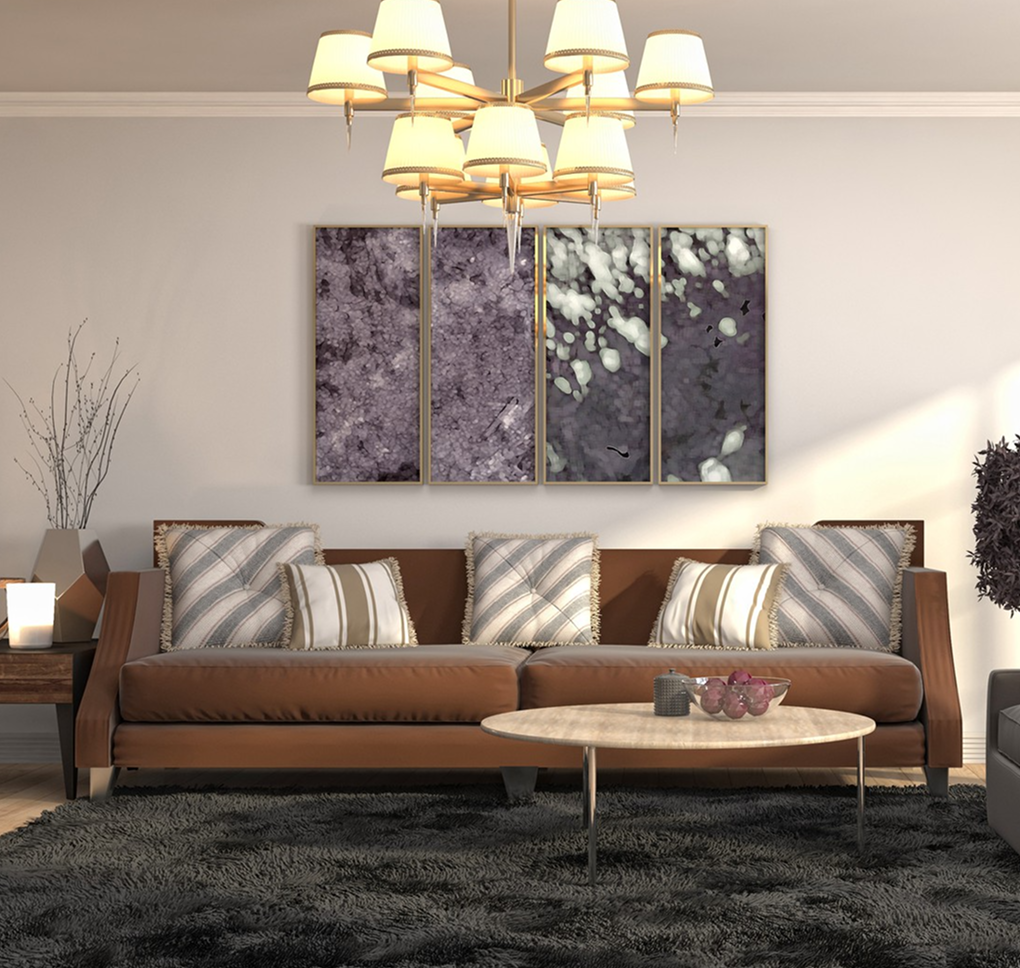
What this visit is for
The brief is contamination in fabric, not a diagnosis.
Pet urine odours
Urine can dry into crystals in the pile and backing. Enzyme treatment is for the contamination we can reach, not a guaranteed wipe of the smell.
Pet stains
Visible marks are treated alongside the odour work. Limits are the same as our stain and spot removal page.
Pet dander in fibres
Dander settles into carpets and sofas. Vacuuming and extraction reduce what is in the pile. Pets still in the home will add more.
Dust and pollen load
Carpets hold outdoor grit and seasonal pollen that foot traffic stirs up. A deep clean reduces that load. It does not stop pollen coming in through a window.
Sofas and chairs
Furniture can be included. Sofa-only jobs may fit sofa cleaning better if odour is not the main issue.
Whole-room carpets
If the whole floor is tired as well as smelly, pair this with carpet cleaning in Southampton.
Why the smell comes back
Contamination below the pile
Surface sprays do not reach urine in the backing. Humidity can make a smell return. If the underlay is soaked, replacement may be the honest next step.
Fragrance instead of cleaning
Heavy scent covers a problem for a day. We avoid that approach. Removal beats masking.
Mould in the building
Standard carpet cleaning is not mould remediation. Widespread damp or mould needs a different specialist. We will not pretend otherwise.
How our pet odour treatment works
1
Inspection
We look for affected areas, including spots that are no longer obvious on the surface.
2
Preparation
Dry soil out first. Enzyme pre-treatment where urine or organic soiling is likely, with time to work.
3
Cleaning
Hot water extraction to lift treated residue from the pile. Sofas follow an upholstery method if they are included.
4
Final check
We say if a smell still looks like a backing or underlay problem. Drying advice is part of the visit.
Keep pets off damp areas until they feel dry. A faint smell can linger while thick pile finishes drying. That is not the same as a failed treatment.
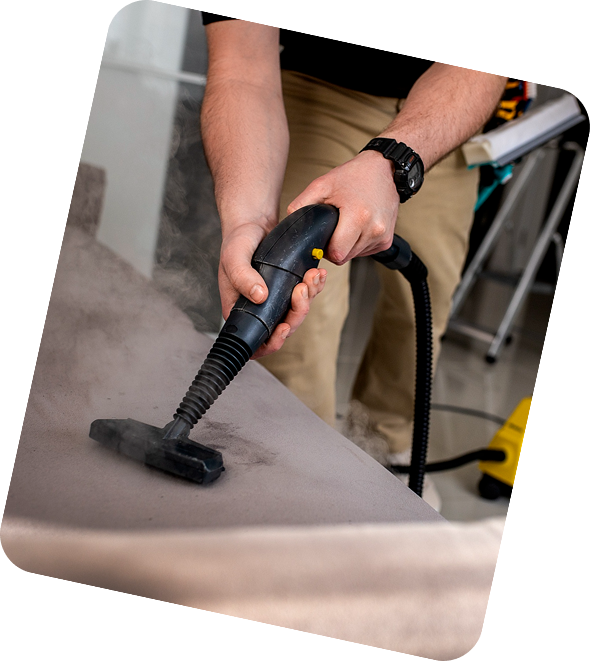
Professional equipment and cleaning methods
We use professional extraction and, where it fits the job, enzyme treatment for pet urine. These are cleaning methods, not medical procedures.
We do not claim to remove all allergens from a home. We do not claim to kill dust mites as a health service. The job is to clean the fabric more thoroughly than a domestic vacuum.
Chairs and other furniture can be booked through upholstery cleaning if odour is only one part of a wider furniture brief.
Need help with pet odour?
Tell us whether it is carpet, sofa or both, and how old the accidents are.
Why choose Carpet Heroes?
No medical promises
We clean fibres. We do not sell a health outcome. That keeps the visit honest.
Local insured work
Fully insured, eco-friendly products where they fit, more than ten years of local experience.
Clear if underlay is involved
If the smell is below the carpet, we would rather tell you before taking the job than after.
Homes with pets
Family houses and smaller flats both book this work. The method is the same. The amount of contamination is not.
Area pages are on Areas We Cover.
Frequently asked questions
Will this stop allergy symptoms?
No. Cleaning can reduce debris in carpets and upholstery. It is not a medical treatment for asthma or hay fever, and it does not remove every particle from the home.
Why did a previous clean fail to remove the pet smell?
Often the urine had reached the backing or underlay. Enzyme treatment and extraction go further than a surface wash. In severe cases the underlay still has to be replaced.
Are the products safe for pets?
Keep pets off until the area is dry. We use eco-friendly, low-residue products where they fit the job, without heavy fragrance.
Can you include the sofa as well as the carpet?
Yes. Mention both when you quote. If the sofa is the only item and odour is light, the sofa cleaning page may be the simpler brief.