
Carpet stain removal when a spray is not enough
This page is for specific marks: wine, coffee, grease, ink, mud and pet accidents on carpets, sofas and rugs. A full-room clean is still booked on the carpet cleaning Southampton homepage if the whole floor is soiled.
DIY products often spread a mark, leave sticky residue or bleach the pile. We treat the stain type, then extract. Dye loss cannot be washed back in.
Ask for a free quote or call 0238 2280186.
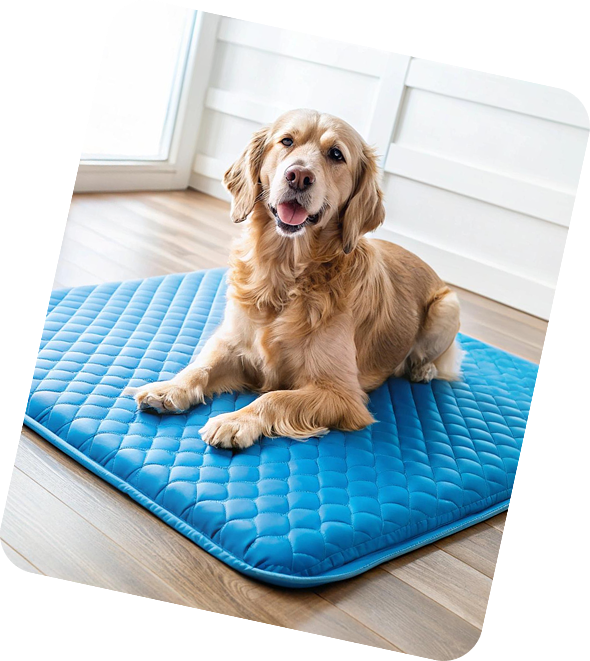
Marks we are often asked about
Results depend on age, fibre and what has already been put on the spot.
Coffee and tea
Tannin marks that set if the wrong heat or product is used. Fresh spills are easier than dried rings.
Wine and drinks
Red wine on pale carpet is a common call. Improvement is likely. Complete removal is not a promise.
Grease and cooking oil
Oil binds to fibre differently from a water spill. We use a controlled solvent step where the fabric allows it.
Pet accidents
Urine can sit in the backing. Enzyme treatment is for the contamination we can reach. See also pet odour treatment.
Mud and traffic marks
Soil patches in doorways often respond well once the grit is out and the area is extracted.
Ink and dye
Among the hardest. We assess rather than guess. Bleach damage is not a stain and will not reverse with cleaning.
Why home treatments fail
Rubbing and spreading
Scrubbing drives liquid sideways and down. Blotting with a white cloth is the safer first move while you wait.
Heat setting a mark
Hot water or a hairdryer can lock some stains into the fibre. Leave heat out until we have seen it.
Sticky residue
Shop sprays can leave a film that attracts new dirt, so the spot looks worse a week later.
How our stain treatment works
1
Inspection
Stain type, age, fibre and what you have already tried.
2
Pre-test
A hidden-area test where colour or fibre is uncertain.
3
Pre-treatment
The matching solution, given time to work. Rushing this stage wastes the visit.
4
Agitation
Gentle only. Hard scrubbing can fuzz the pile or spread the mark.
5
Extraction
Hot water extraction lifts dissolved soil out of the fibre rather than pushing it down.
6
Final check
We look at the result and mention wick-back if residue might rise as it dries.
If a mark returns while drying, contact us. A follow-up is sometimes needed. It is not always a failed first visit.
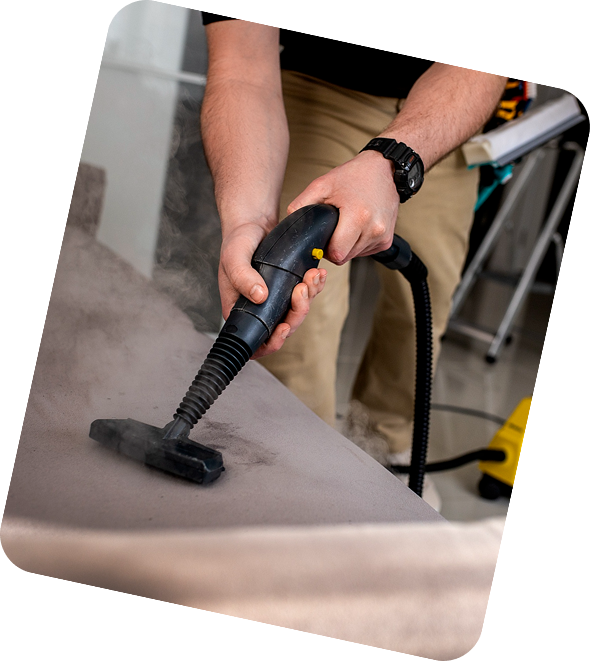
Professional equipment and cleaning methods
Treatment is matched to the soil: tannin steps for tea and wine, enzyme steps for many pet accidents, solvent steps for grease, used only where the fibre can take them.
We cannot reverse bleach or sun fade. That is missing colour, not dirt.
The same methods apply on sofas, other upholstery and rugs when the piece is suitable.
Need help with a stain?
A photo, the fibre if you know it, and how old the mark is will get you a clearer answer.
Why choose Carpet Heroes?
Straight limits
We would rather lose a job than take money for a mark that is already permanent.
Local insured team
Fully insured, eco-friendly products where they fit, more than ten years of local experience.
Part of a full clean if needed
One spot can be the brief. A tired whole room still belongs on the carpet homepage.
When to call rather than keep dabbing
Fresh liquid: blot, do not rub, skip hot water, then call. Old set marks still deserve an inspection rather than a second bottle of supermarket spray.
We cover Southampton from our city base. Area pages live under Areas We Cover.
Frequently asked questions
Can you guarantee stain removal?
No. No honest cleaner can. We will tell you what we expect after looking at the mark. Many improve. Some only partly. Some are dye loss.
Should I treat it before you arrive?
Blot fresh spills with a clean white cloth. Avoid coloured cloths, heat, and extra product if you can. Those often make professional treatment harder.
What if the stain comes back?
Wick-back can happen as the pile dries. Contact us. A second pass sometimes settles it. It depends what is still in the backing.
Do you treat sofas and rugs as well as carpets?
Yes, where the material is suitable. Mention the item when you quote so we bring the right approach.